Time Attack - Day 63 + 64 - Ongrid Time Attack @ Ridge - Refreshed Diff & New Tow Rig!
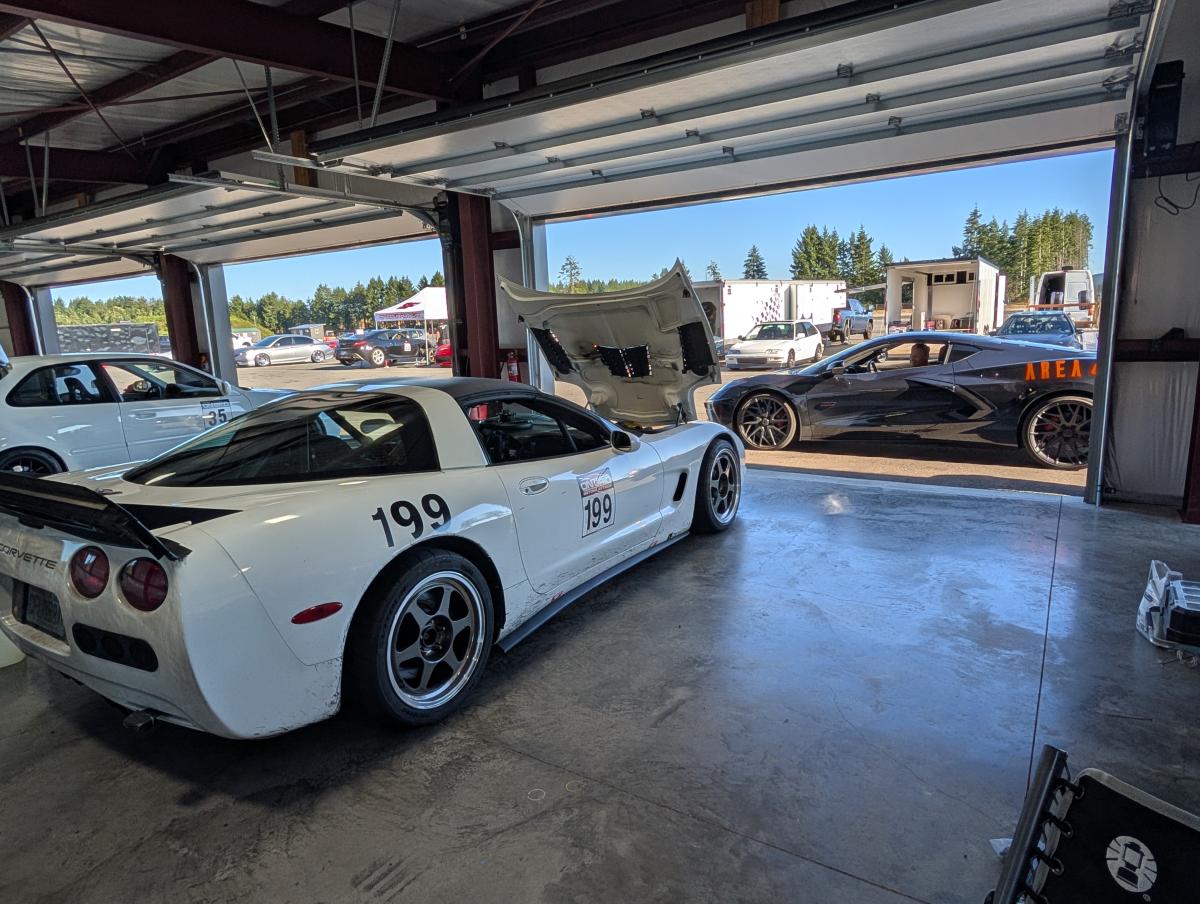
NOTE: Article is in progress. I captured most of my thoughts in writing but I need to get the actual track day pictures and put up video still.
Leading Up to The Event
After the rather unfortunate results of my 62nd event at ORP I brought the time attack C5 corvette home, put it up in the air and decided it was time to sort out not just the Vitour Sonics having gone to cords quickly on me, but also tackle the rear differnetial situation I'd long been avoiding that I believed to be the culrpit of my twitchy oversteer at a lot of places throughout my cornering. Throttle off oversteer was inconsistent, getting on throttle at exit was inconsistent... and to add to that all my speedometer all of a sudden stopped working sporadically, lending me to think something was surely up. I also got some prototype two piece front brake rotors from Millsy Motorsports I wanted to chuck on and test.
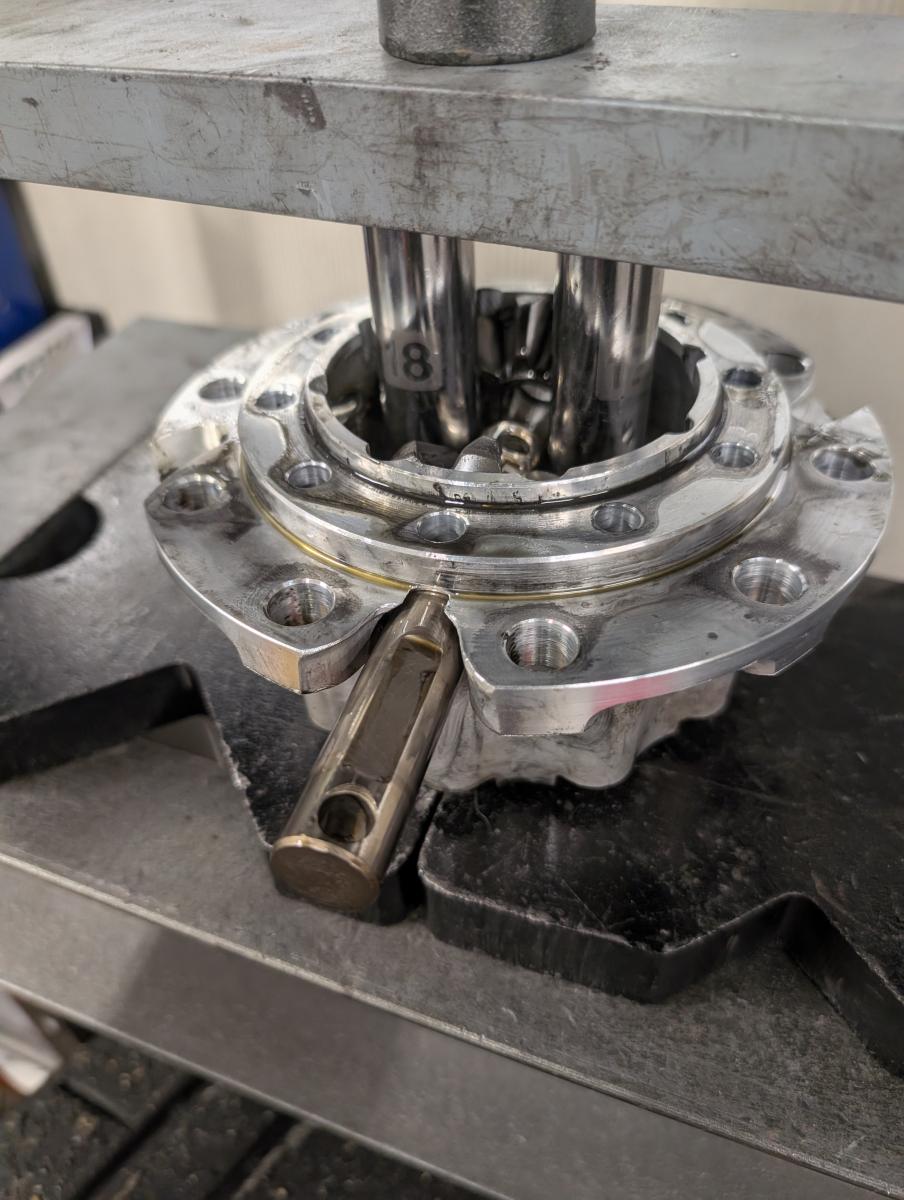
The differential was the biggest hurdle to tackle, but lucky me a few details were in my favor. The first most detail was that I had TWO spare differentials I'd gotten as part of a great deal purchasing some torque tubes. One of the differentials was a 3 rib differential, an upgrade over my single rib differential. I also reached out to Texas Drivetrain Performance to partner with on an article over on C5Corvettes.com about refreshing the C5 Corvette Differential. That meant I had the parts, extras, and support when tackling the job.
The job actually wound up really reasonable, as I'll cover in the article over at C5Corvettes.com. I am glad I had two differentials though, as the one I pulled apart had some rather notable scoring along the carrier where the clutches reside. I was able to combine the two differential internals into one happy differential though, and it was quite reasonable.
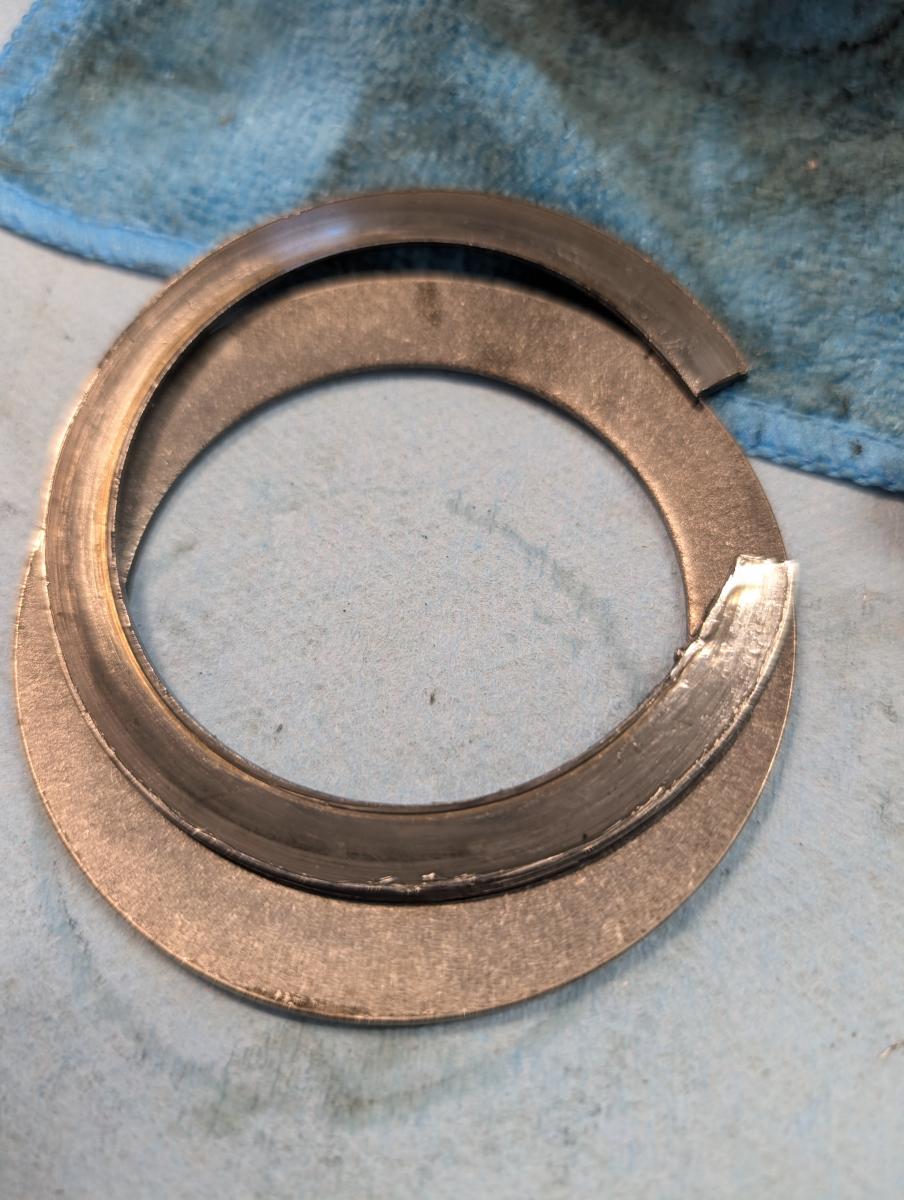
The above is a picture of the very failed C5 Differential clutch spring aka Belville Washer that went out on my differential. These are renowend for failing on C5 Corvette's, and having now pulled 3 differentials apart and found all of the washers were broken on all of the differentials... odds are good you need to replace yours, and a slight spoiler alert... replacing them with C6Z clutch packs and spring washers is WORTH IT!
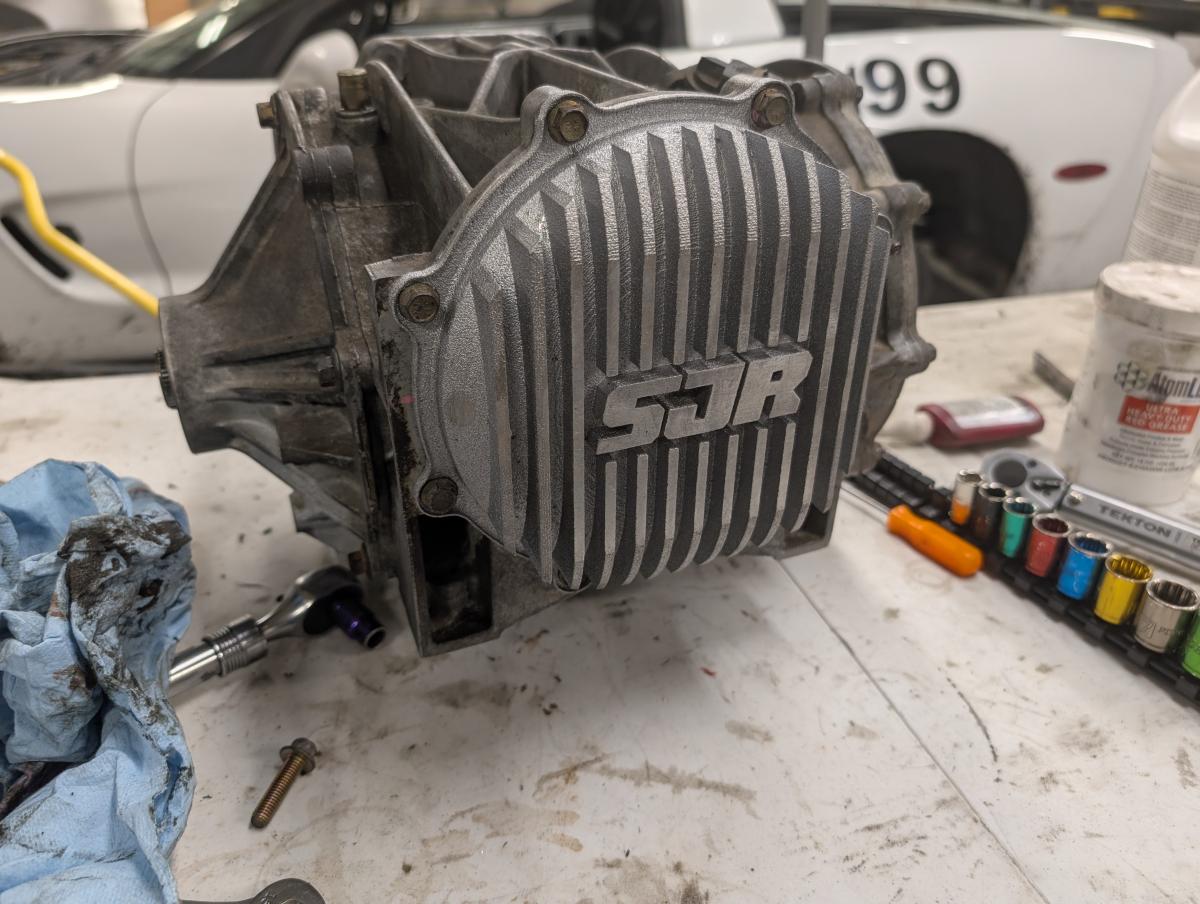
One cool thing I managed to tackle as part of this tasks was adding in my own custom differential cover. I worked with a domestic manufacturer to get a sand cast made of my design, and sure enough... it looks AWESOME! Did it improve things? Hard to say... I've yet to A<>B test this against another differential, and I've since updated the design to include extra provisions which should help make the differential that much more valuable.
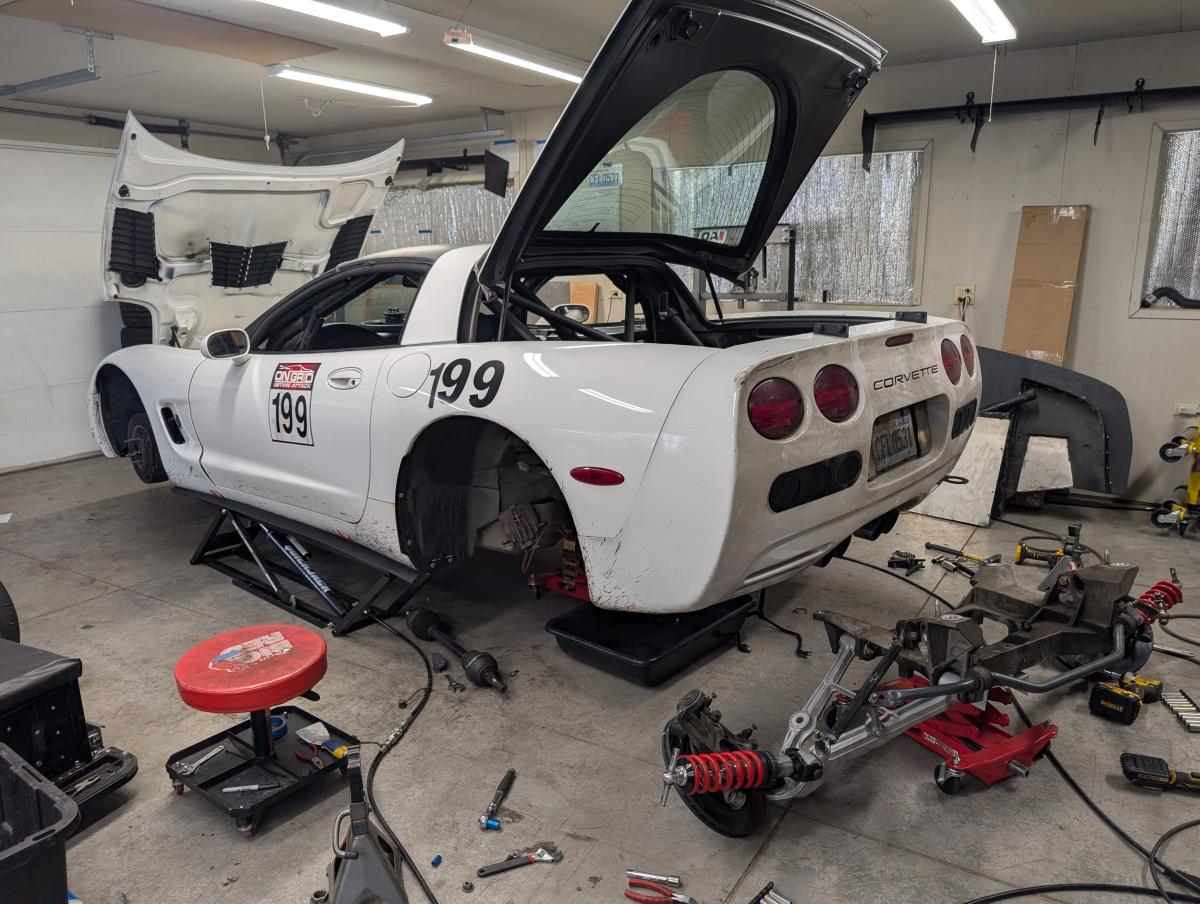
Refreshing the differential actually wound up being the easy part of the job. Removing the differential and replacing it is a task in itself, but not impossible.
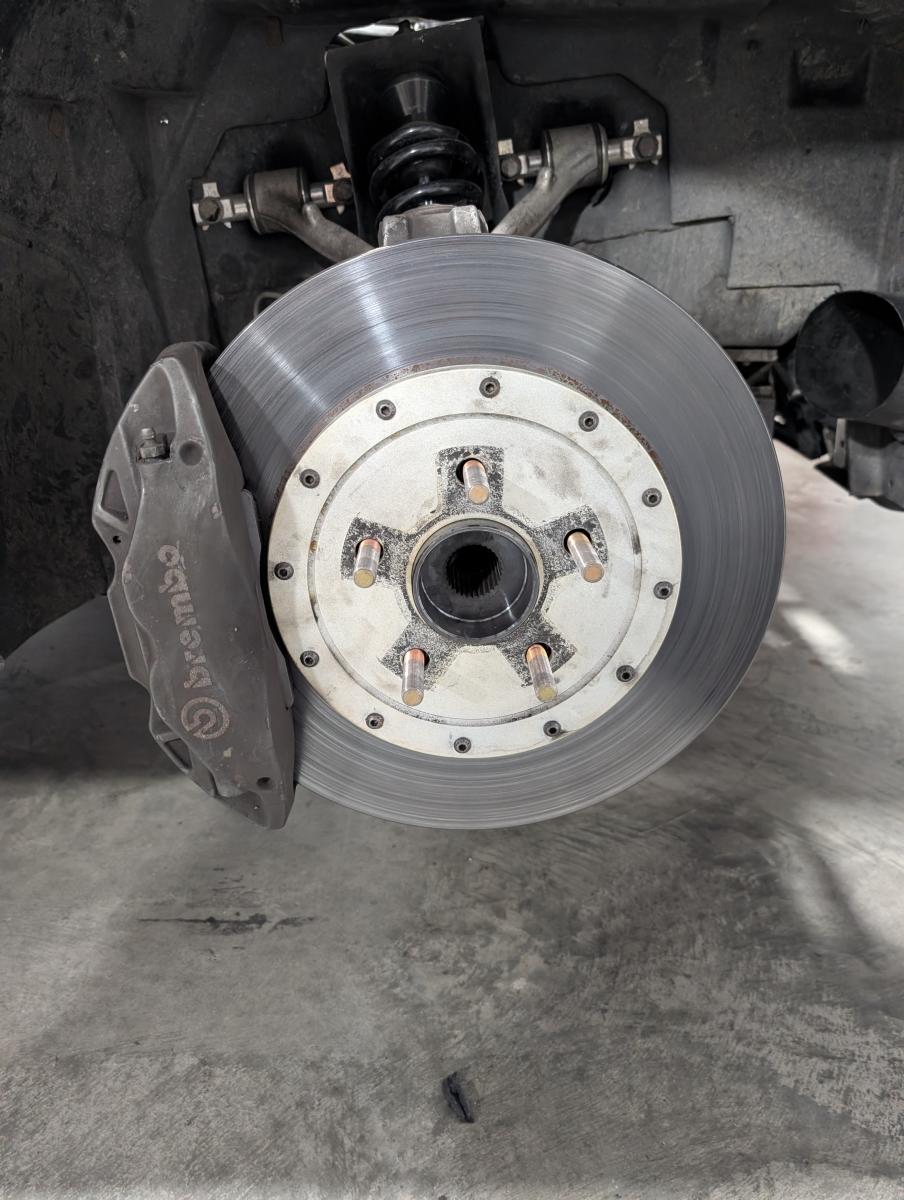
One thing I'm really excited about is I slapped on some Millsy Motorsports two piece rotors. I weighed them in at approximately 8lbs of weight savings PER ROTOR! This was a pretty significant amount of weight savings and I'm looking forward to trying them out for the remainder of the season.
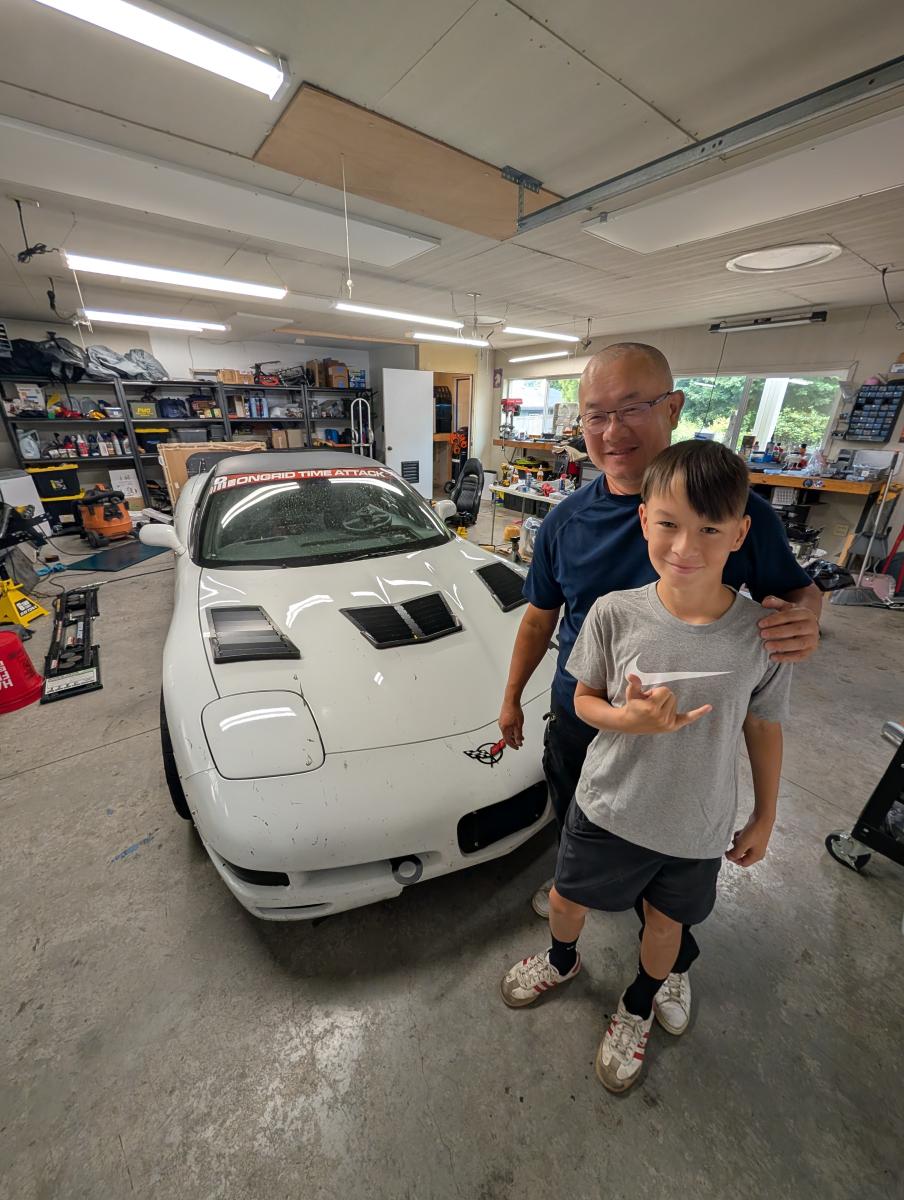
Thanks to some help from friends, I was able to get the Corvette back together with the refresh diff! I didn't capture any pictures of string aligning the car, but I was able to get pretty close to zero toe up front, and in the rear I wound up with 3/32 to 1/4" of rear toe in. Generally you only want an 1/8" total toe in, but eh... I did the best I could in a pinch.
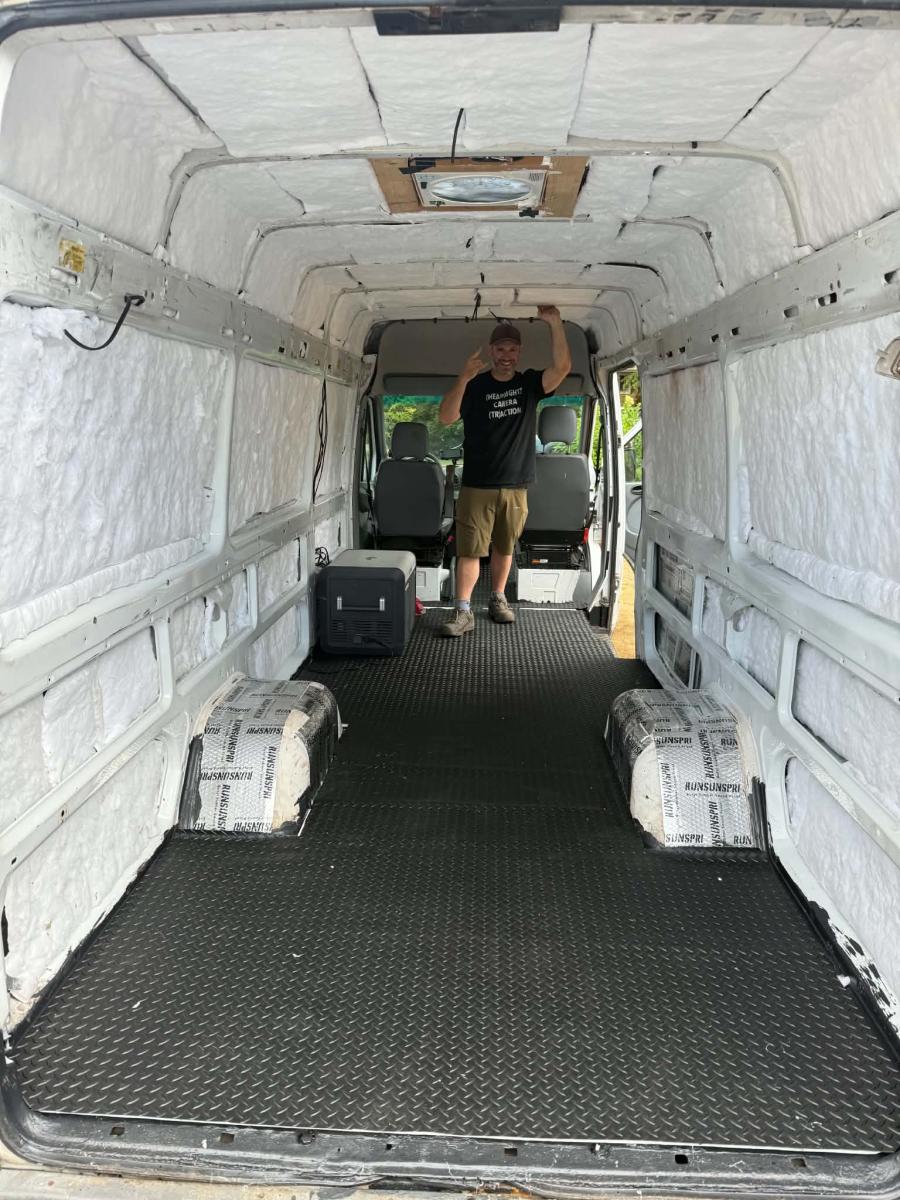
One additional project that is adjacent to the C5 Corvette is I bought a 2005 Dodge Sprinter 3500, which is a diesel dualy rig. It was dead in a field with a lot of mice living in it... but I got it running again and after a ton of effort sorting out problems on the van it's now happy as a clam and the interior build out is underway! As you can see above I put in a floor as well and have begun the process of insulating the walls. Watch for more info on this as things come along!
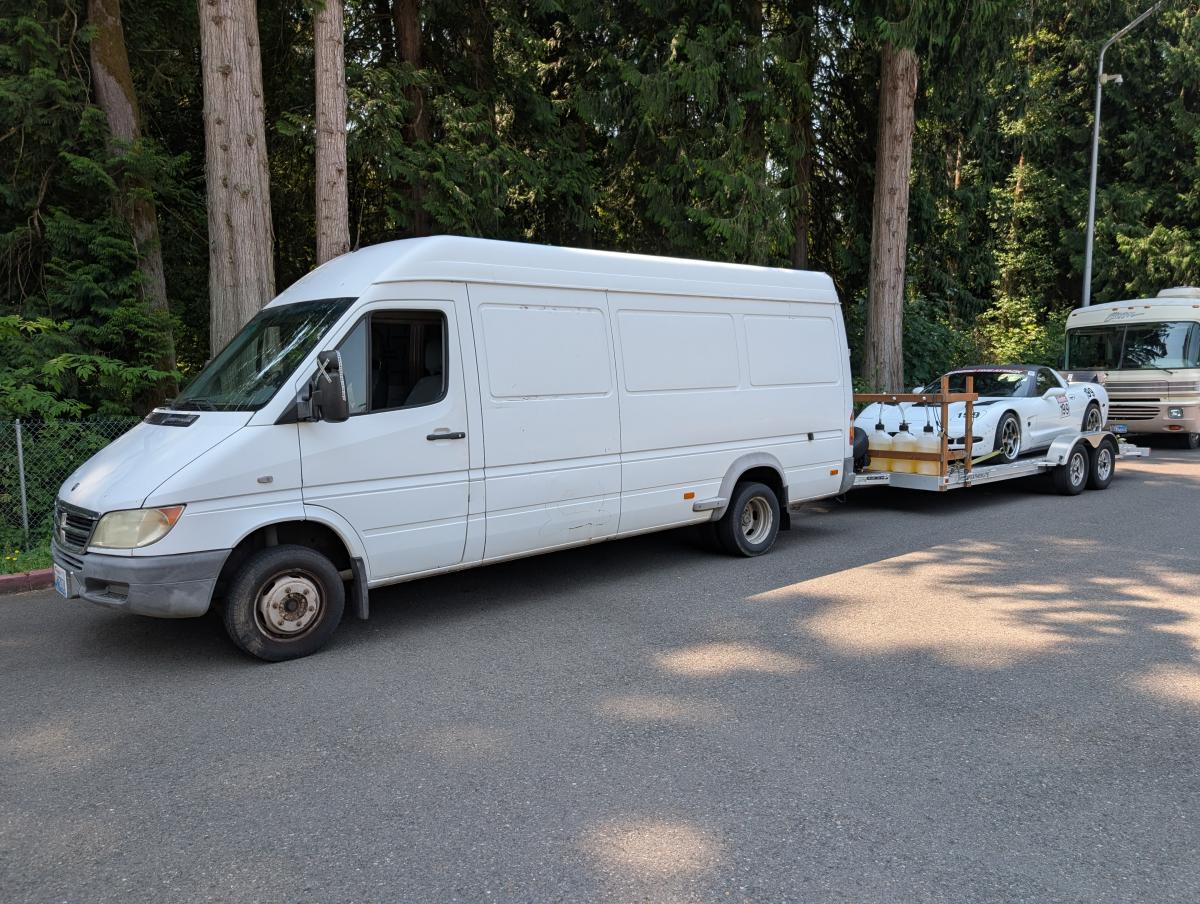
With the Corvette now complete and back together, and the van ready to go... I took the corvette for a test tow that was about an hour round trip. It handled the situation with flying colors and seems like a promising tow rig! I'm going to work on adding some additional cooling to this setup, but for this adventure, the van appeared up to the task and the Corvette was ready to roll!
How The Event Itself Went
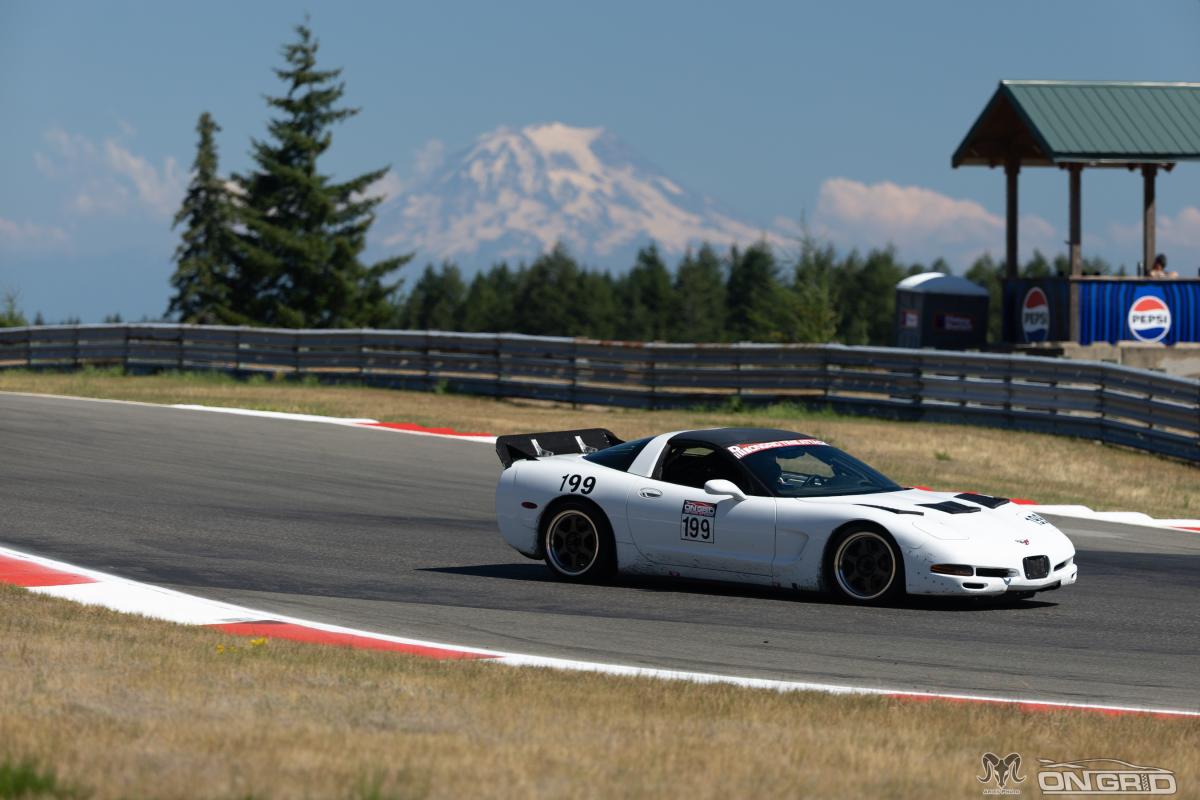
This event marked the first real competition test of several major changes. I was back on Fresh Vitour P01R 100TW tires. I had Refreshed C5 differential using C6 clutch pack components. I'd done my own string alignment.... and as always I was chasing suspension tuning of the QA1 double-adjustable coilovers.
Below are my copious notes from an ongoing conversation with ChatGPT, which I found really useful for keeping track of how the day is going and having notes I can later reference.
Car Baseline
- Car: 1999 Chevrolet Corvette C5
- Power: Approximately 385 whp
- Race weight: Approximately 3,450 pounds
- Front tires: Vitour P01R 295/30R18 on Podium FF6 18x11 et 54 wheels
- Rear tires: Vitour P01R 315/30R18 on Podium FF6 18x11 et 54 wheels
- Front camber: Approximately -2.9 degrees
- Rear Camber: Approximately -1.6 degrees
- Front toe: Near zero
- Rear toe: Approximately 1/4 inch total toe-in from the recent string alignment, measured at wheel lip.
Starting Tire Pressures
I began the weekend at 26.5 psi cold on all four tires. By the end of the event, the pressure range that produced the best wear profile and shoulder use was approximately:
- Front: 30.5 psi hot
- Rear: 32 psi hot
July 24: First Session
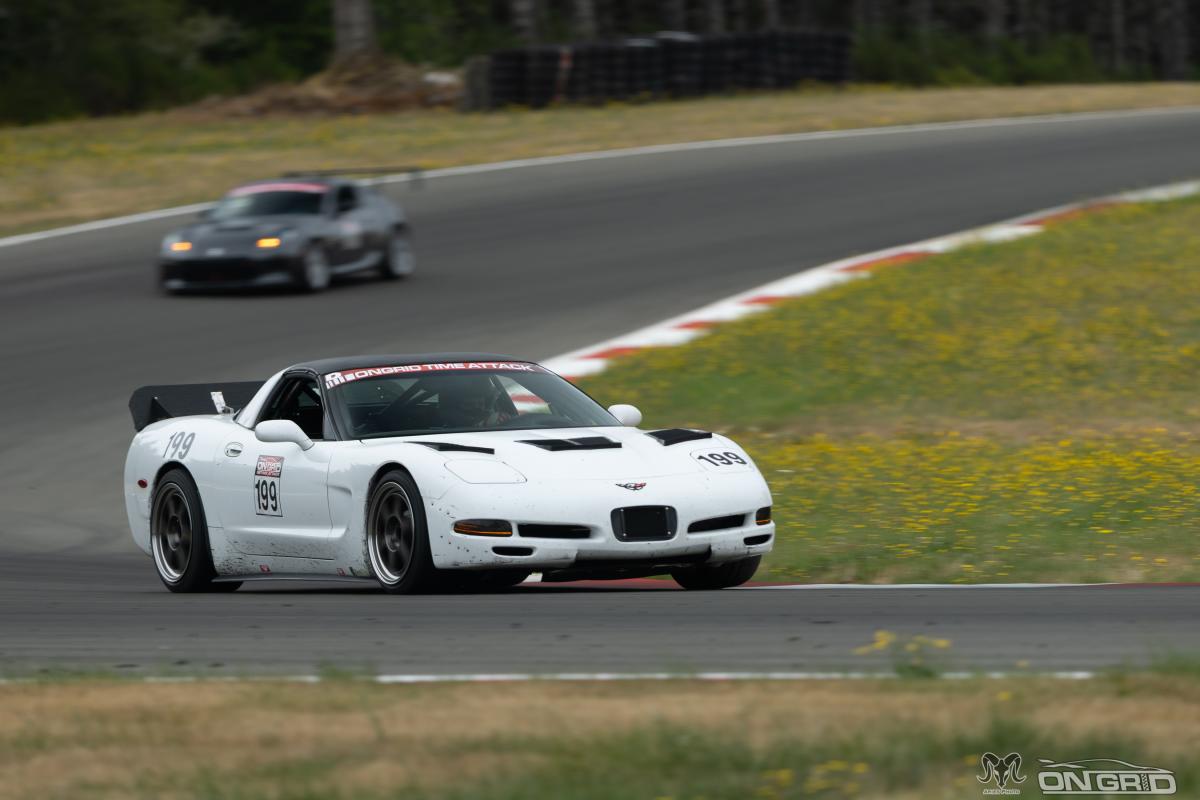
Weather at Shelton Sanderson Field near 10:00 a.m. was approximately 63 degrees Fahrenheit with overcast skies, high humidity, and a light southwest wind. The car felt amazing on lap two. The rear of the car immediately felt better than it had in years, arguably as long as I could remember. The refreshed differential made the car feel planted, predictable, and much easier to drive out of turns on throttle. I also found throttle off oversteer far more predictable and controllable on entry to turns.
After the first couple of laps, however, the front began to develop understeer. The push was most noticeable from the apex through corner exit and in the highest-load portions of the track.
The rear remained extremely stable throughout the session however, though push did increase as times went on.
Hot pressures after the first session were:
- Front right: 34.4 psi
- Front left: 34.2 psi
- Rear right: 34.0 psi
- Rear left: 34.0 psi
The front-right tire, which sees the highest demand at Ridge Motorsports Park, showed a smooth and even wear pattern. There was good shoulder use without obvious rollover or excessive shoulder damage, though I saw I could use more shoulder if need be. I reduced the tire pressures to 32psi, and moved on.
Warmer Conditions + Second Session
As the ambient temperature climbed and the sun came out, tire pressures increased substantially. The fronts reached approximately 36.4 psi immediately after the later session, with the rear pressures climbing by a similar amount. The higher pressures lined up with the increasing front understeer, so I began targeting lower hot pressures.
The revised target became:
- Front: 30.5 psi hot
- Rear: 32 psi hot
I also tried to raise the rear ride height one full turn to see if increasing the rake to bias towards the front would transfer some of that exceptional confidence I now had in the rear back to the front tires for mid to late turn rotation.
The track became greasy later in the day and lap times dropped across the field. It was difficult to judge the pressure change by feel because everyone was slower, but I returned to the fastest lap time in my run group, suggesting the changes were at least moving in the right direction.
July 24th Evening Changes
After a generally succesfull day I wanted to do anything I could to improve and help extend my lead further. While I was sitting 0.25 seconds up on the competition, it was closer than I was comfortable with and the cooler temperatures of the next morning would surely yield notable time improvements from everybody. I made the following changes
- Rotated the tires from side to side
- Raised the rear ride height by one spring-adjuster turn
- Raised the front ride height by two spring-adjuster turns.
- Reduce front compression one click so it was 7/7 all around. This would in theory help the weight transfer onto the front tire and bite both on entry and mid corner to exit cornering.
- Removed some front bump-stop material after finding possible evidence of excessive bump-stop engagement
The goal of the rear ride-height change was to add a small amount of rake and encourage slightly more front response while using some of the substantial rear-grip margin created by the refreshed differential. I also removed the front bump stop material as in the past I recall the feeling of being on the bump stops was essentially just full on push out of the front end. The front just wouldn't bite because the spring rate went infinite.
July 25: First Session
The cooler morning conditions kept pressures much lower
I ran many laps in the 1:49.3 to 1:49.6 range before finally putting together a 1:48.75. My closest competitor, driving a 2023 Toyota Supra, ran a 1:48.64, leaving me 0.11 second behind. I knew I had to find extra time now!
Hot pressures after the first session were approximately:
- Front: 30.4 psi
- Rear: 32.3 psi
The rear continued to be the strongest part of the car.
- Excellent traction on corner exit
- Predictable throttle-induced rotation
- Controlled and manageable lift-off oversteer
- Very high driver confidence
The rear may was now a hair looser in a few places, but it remained predictable and easy to manage.
The front remained the limiting factor.
- Initial turn-in bite was sometimes weak, especially as sessions went on and heat increased.
- The car did not always achieve the amount of initial rotation I requested
- Understeer became worse after one or two hard laps
- The car pushed from midcorner through the apex and exit
- Adding more steering angle did not create additional rotation
- I sometimes had to unwind the steering wheel to let the front tires regain traction
The whole car would run wide once the front tires reached their limit. The suspension and ride-height changes produced essentially no noticeable improvement in the handling balance. The car still developed substantial front understeer after the first few hard laps. Once the front reached its grip limit, there was a clear ceiling to how much the car would turn.
July 25: Second Session (The Fastest Yet)
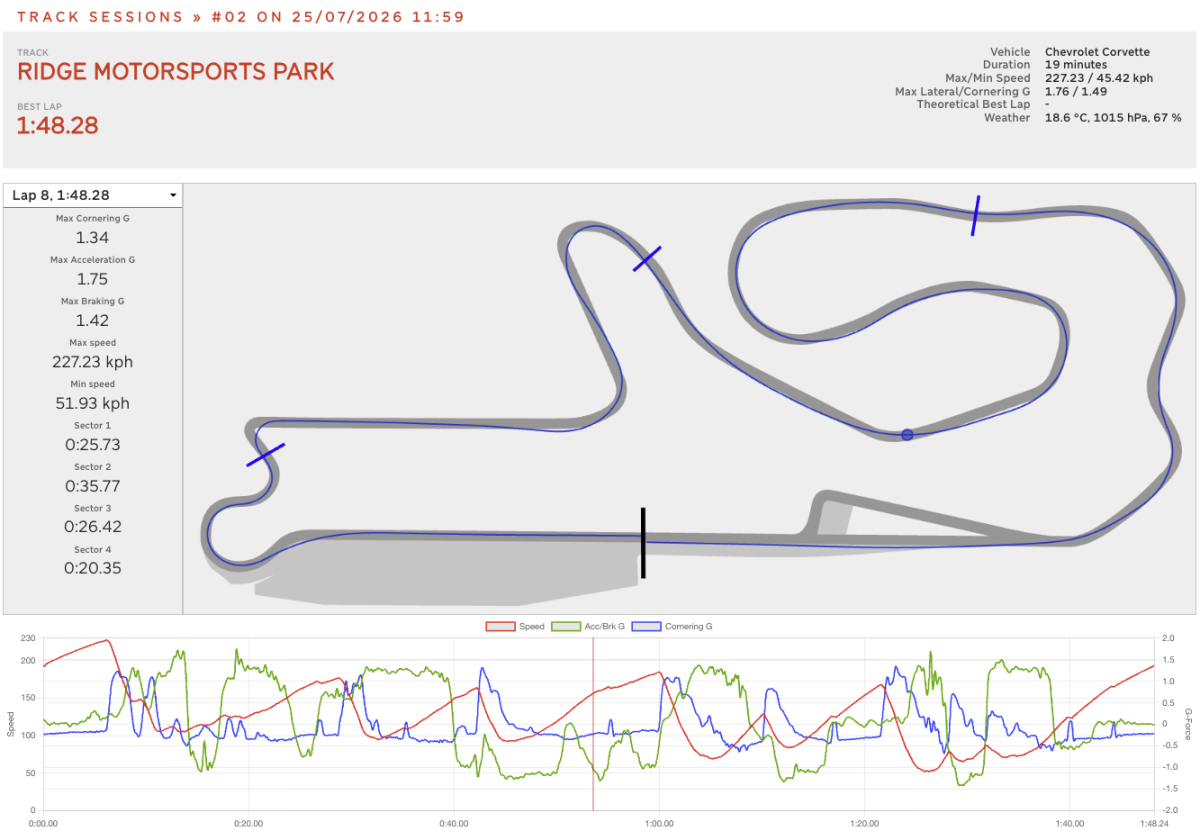
Despite the problems I'd been having with the platform, I further improved to a 1:48.28. I felt great about that, especially as my competition had yet to make any time improvements and I was now in the lead.. My Time delta had increased 1 second while my competitors had increased 3 seconds over the weekend. Finding more time I was hoping would be unlikely for them... but it was too close to call as temperatures were holding decently, and some sporadic rain was keeping things cool. Maybe I'd get lucky and the last session would get rained out, or things would stay cool and I'd find more time? It was anyones guess at that point.
Final Session
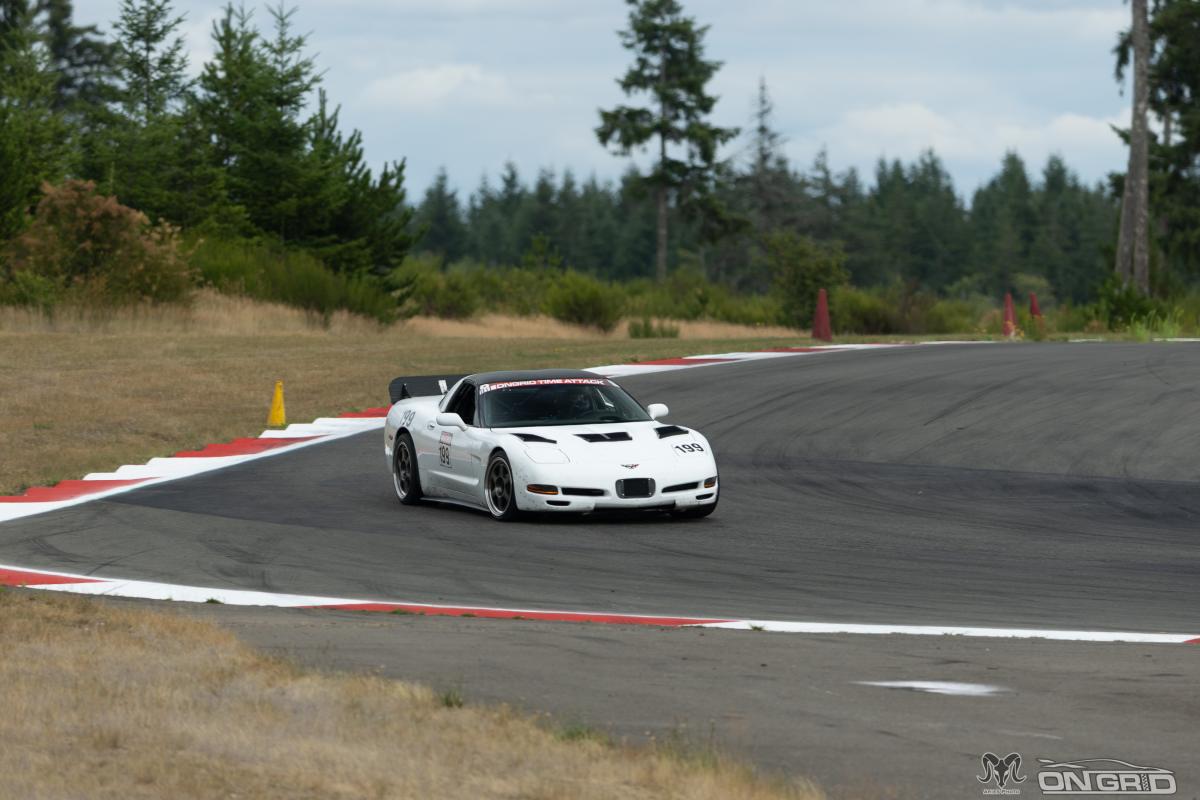
For the final session I went out and tried to send it as best as I could, but only managed to run a 1:48.5. All the other drivers in my run group had faded well into my rear view mirror or had pulled off by mid session. I was feeling pretty confident that temperatures had increased and it seemed unlikely my competition was going to find any additional time... or so it seemed.
Unfortunately I was wrong. The fellow drive the 2023 Supra had ran a 1:48.15, leaving me 0.1 second behind the win. Damn, so close... and well fought, especially for my car with so much DIY handi-work in it that is over two decades older than my competitors 2023 Supra!
Wrap up Review & Takeaways
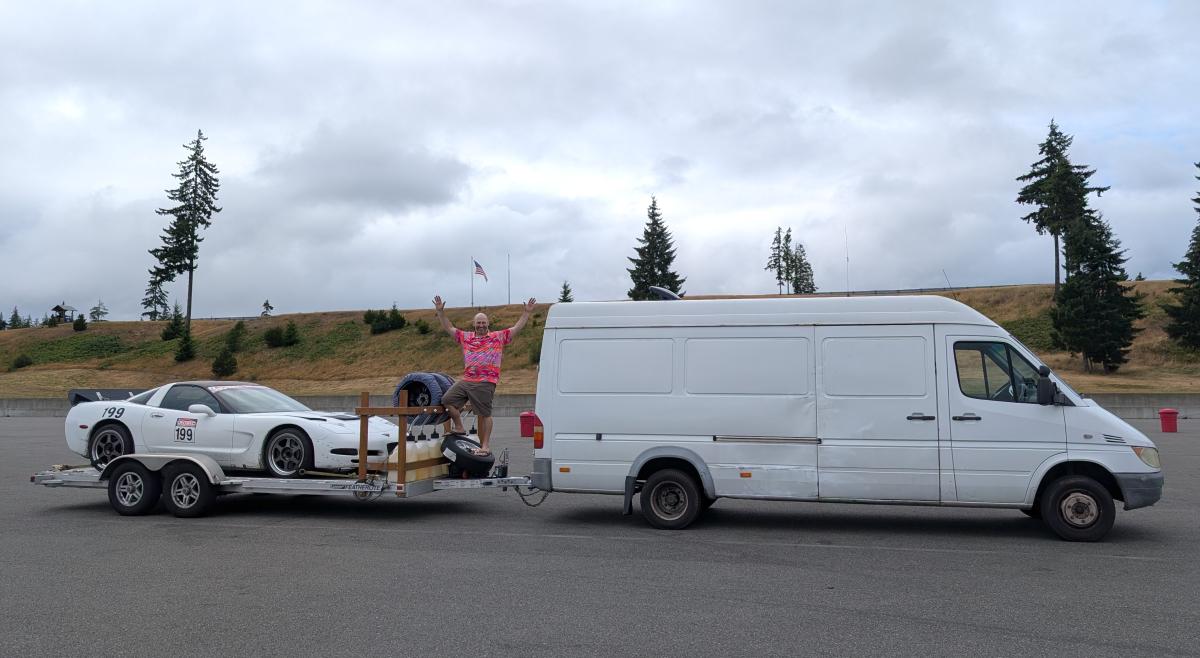
I missed the win by only one tenth of a second and found myself in second which bummed me out at first but... man that was well fought and I took a 24 year older car and put the kid on the edge of his seat for the win! I also hauled the car there in a van I'd brought back from the dead. I made all of this happen, often with my own blood, sweat, and several bajillion turns of a wrench. Multiply it by the fact my car is now 64 events old... it's punching well beyond what a car this well loved should!
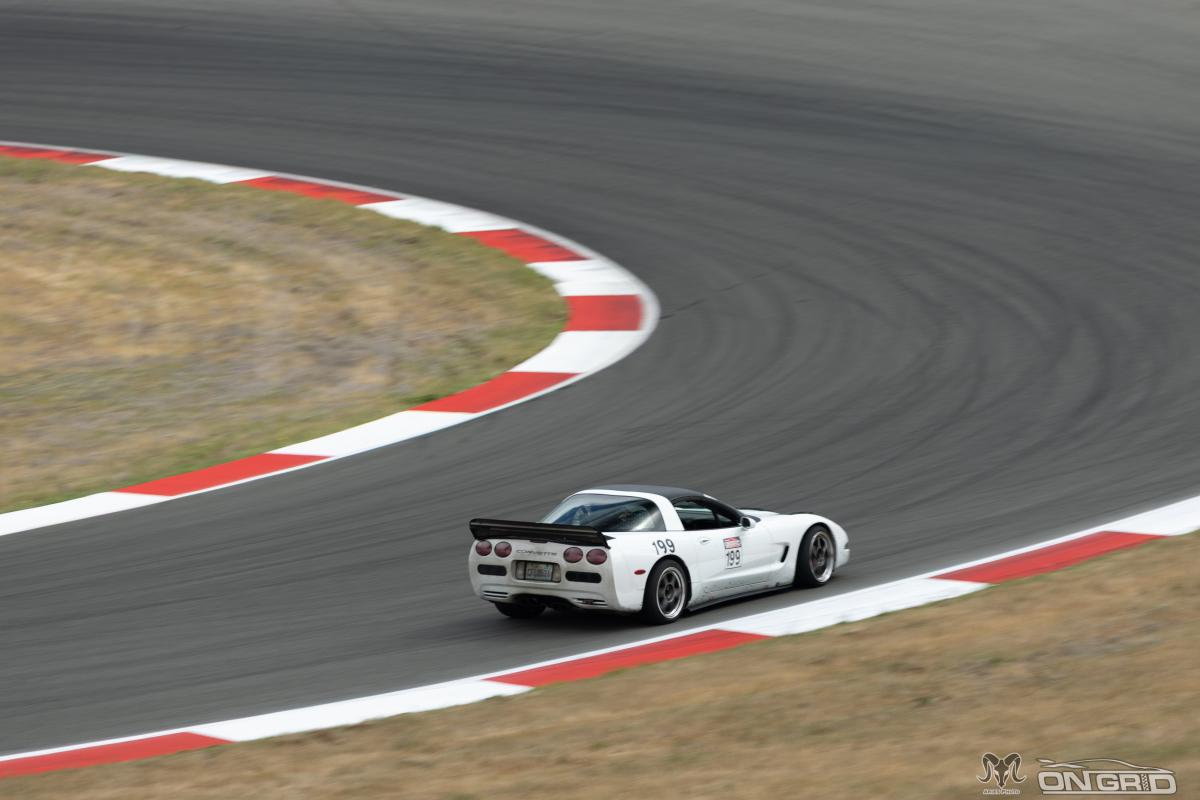
For the C5 specifically the larger accomplishment was building a car that felt controlled, repeatable, and genuinely enjoyable to drive which I haven't had in quite some time. I also ran a large number of consistent laps, with one whole session being nearly all 1:49.x laps. The rear was no longer something I had to manage or tip-toe around and had instead become one of the strongest parts of the car. That was a really nice improvement, and makes me feel good about all the work I put into refreshing my differential myself.

I also had a great time with friends. The memory will likely fade of the battle for first, but I'll remember the fun times I had with friends and the reward felt from wrenching on the car. In many sports I do I start to peter out on progression once the risk hits a certain point, as honestly... I'm mostly in it for good times with good people.
The development goal now is not simply to beat the same competitor next time. The goal remains outright best pace and to have me be the limits again, not the car. The next phase is to find more front-end performance and slightly more natural rotation without giving away the rear confidence that made this weekend so successful.
Final Configuration Notes
Final Tire Pressures and Wear
After the final run, tire pressures were approximately:
- Front: 30.5 psi
- Rear: 32 psi
This pressure range produced the best tire-wear profile and shoulder use I saw during the weekend. The front camber remained approximately -2.9 degrees. I cannot currently achieve significantly more front camber without giving up caster, but the visible wear profile looked very good and did not suggest an obvious camber problem.

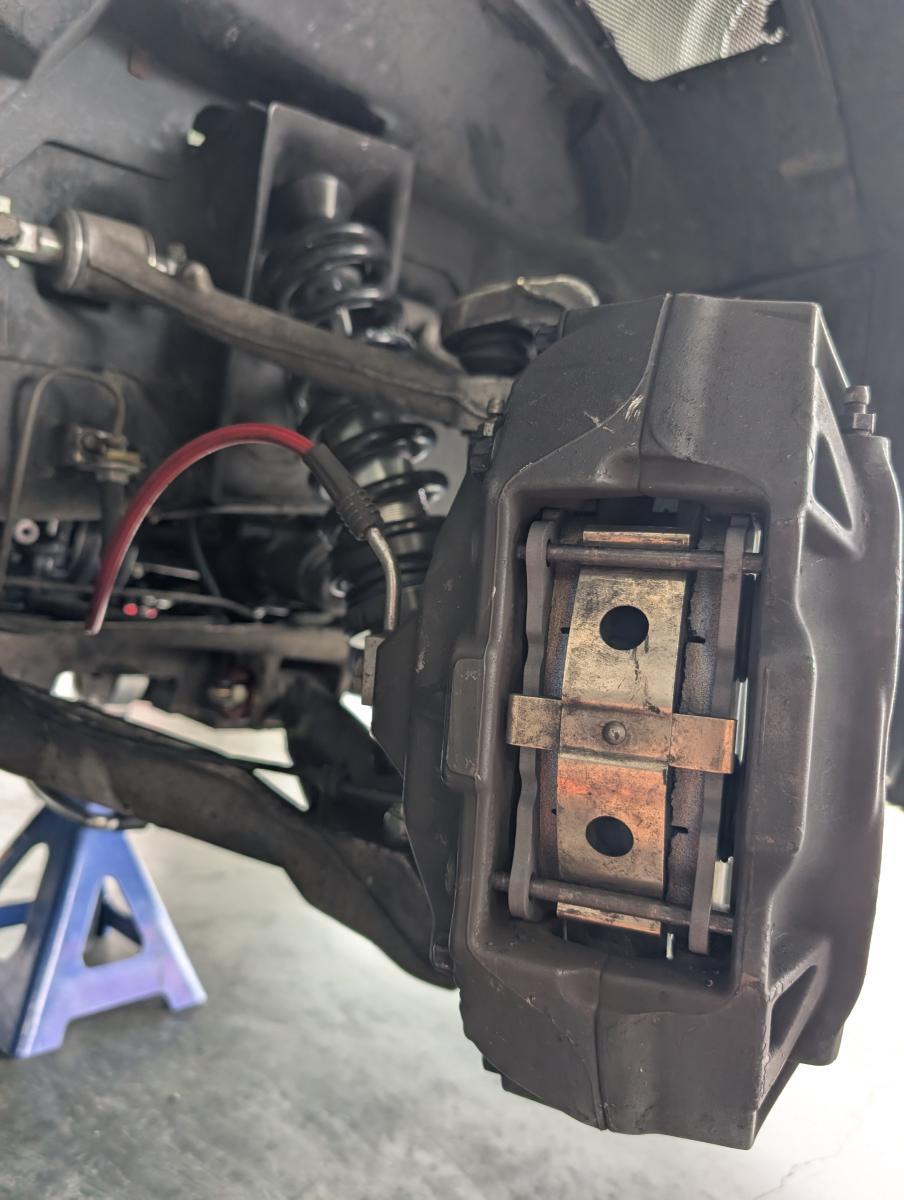
Another stand out of the weekend was testing of the prototyp Millsy Motorsports Two Piece rotors. They held up to a full weekend of abuse running in the upper 5% of all attendees pace wise and repeatedly stopping my car from 140mph down without issue. The reduced rotational and unsprung mass surely contributed to an improvement in handling that I appreciated.
Major Success: The Refreshed Differential
The biggest success of the weekend was the refreshed rear differential.
The rear of the car felt controlled, predictable, planted, and easy to drive. I could stand on the throttle and drive cleanly out of corners, or use the throttle to add a small and controllable amount of rotation.
Lift-off oversteer was also predictable and useful for tightening the line, although relying on it is slower than having the car naturally hold the desired line under maintenance throttle.
The differential transformed the car from something that previously required caution on corner exit into a car that inspired confidence.
Primary Remaining Limitation
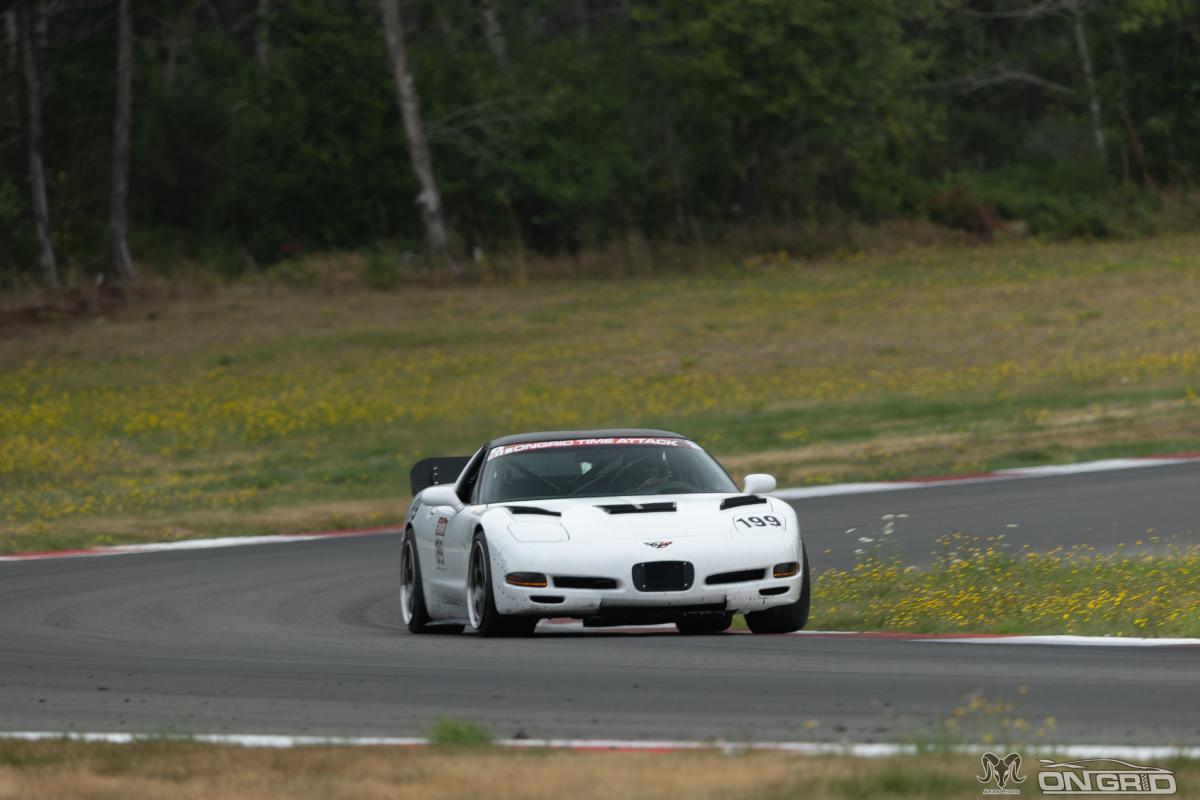
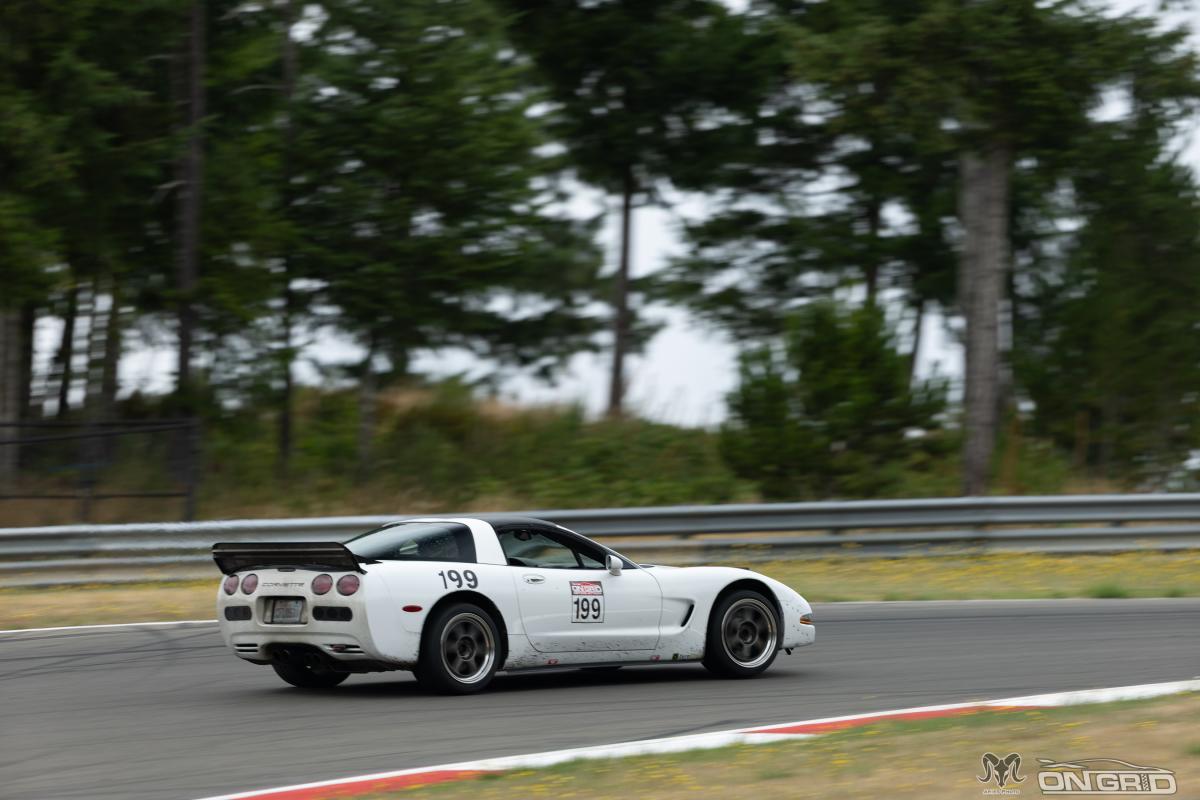
MId turn to late turn rotation are my problems at this point, perhaps relating to my a continued issue with excessive body roll such as pictured above.
The main symptoms are:
- Insufficient initial bite on some corner entries when hot.
- Front saturation under sustained lateral load
- Progressively worsening understeer after one or two hard laps
- Midcorner, apex, and exit push
- The need to unwind steering to restore front traction
Pressure changes, front compression changes, increased ride height, and reduced bump-stop engagement did not eliminate the behavior.
Rear Toe & Rear Springs as the Next Experiment
The recent string alignment resulted in approximately 1/4 inch of total rear toe-in. That amount of rear toe-in likely contributes to the excellent rear stability, but it may also make the rear resist rotation and force the front tires to do more of the work. Because the refreshed differential already provides excellent rear traction and stability, the next logical experiment is to reduce rear toe-in slightly while preserving the confidence-inspiring rear behavior.
Also per conversation with Mark Stein over at MSI Motorsports he suggested increasing rear spring rate to help stabilize the platform and reduce roll. I just so happen to have 700lb springs to go up to from my current 650lb springs... so why not?
A reasonable progression would be:
- Reduce total rear toe-in from approximately 1/4 inch to approximately 3/16 inch if not 1/8th inch and see how the car handling shifts.
Current Baseline to Preserve
- Tires: Vitour P01R 295/30R18 front and 315/30R18 rear
- Useful hot-pressure starting point: Approximately 30.5 psi front and 32 psi rear
- Front camber: Approximately -2.9 degrees
- Rear Camber: Approximately -1.6 degrees
- Front toe: Near zero
- Rear toe: Approximately 1/4 inch total toe-in
- Front dampers: 7 compression and 7 rebound
- Rear dampers: 7 compression and 7 rebound
- Car Body height at Fenders: (TBD)
- Handling Notes: Car understeers / fails to rotate and runs wide from mid apex to exit. Hoping a reduction in toe will help the car rotate, as excessive toe may be keeping the rear planted.